

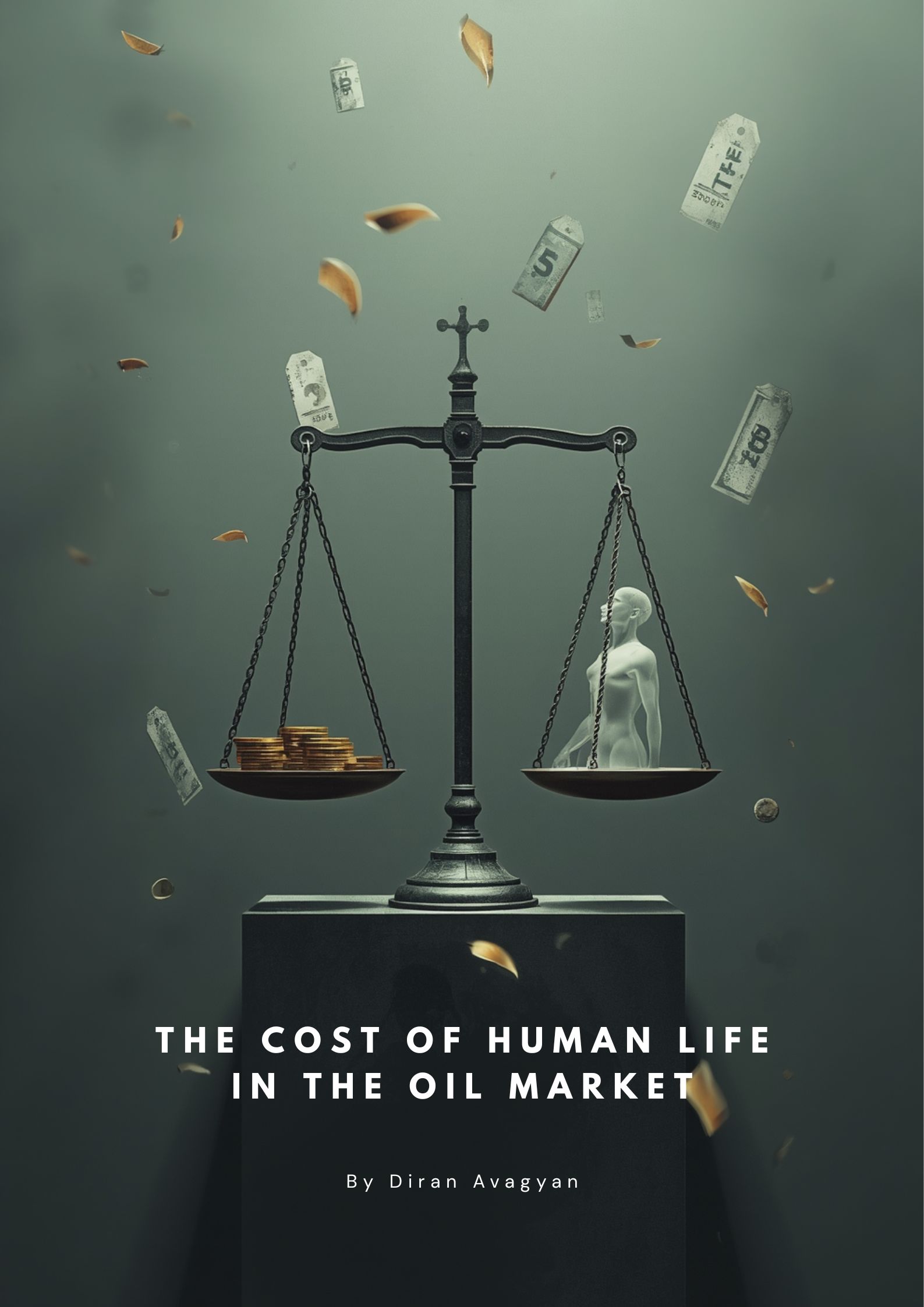
Recent days and weeks have been filled with uncertainty and fear of the unknown in light of war and global conflict. While some view this through a geopolitical lens, for others it is simply a human tragedy. Amid this chaos, one cannot help but ask: what is the cost of human life?
I am reminded of the Netflix drama Worth (2020), based on real events. In the aftermath of the 9/11 attacks, an attorney was appointed by Congress to lead the Victim Compensation Fund and determine the financial compensation for the victims’ families. The formula he used calculated the monetary worth of a human life based on projected future earnings. Simply put, the family of a high-earning banker would receive millions, while that of a low-wage kitchen worker would receive only a fraction.
The film exposes economic and class disparities while raising moral and ethical questions that remain painfully relevant today.
The truth is that as long as we use the same metrics to assign value to oil, gold, crypto, and other commodities—and to human life—we remain in a state of pre-creation, where the earth was formless and void, covered in darkness.
Helpless and confused, we find ourselves asking again, “What is human life worth?”
As nations fight over natural resources and their exploitation, we are invited to return to the story of creation and the natural order established by God. He created the heavens and the earth and all that dwell in them, and only then He created humanity as the crown of His creation. Everything was created for humanity, not the other way around.
This was reaffirmed through the Resurrection of Christ, when He led us from darkness into life and light. He loved humanity beyond measure and gave His life for its salvation. He paid the ransom and set us free, so that we are no longer measured by dollars, but by the infinite love of God. That love is beyond price.
Between geopolitics and economic interests, may we always cherish the most precious gift of life.
